
He Thought She Was His Sister, But She Was Actually His Biological Mother Who Rejected Him
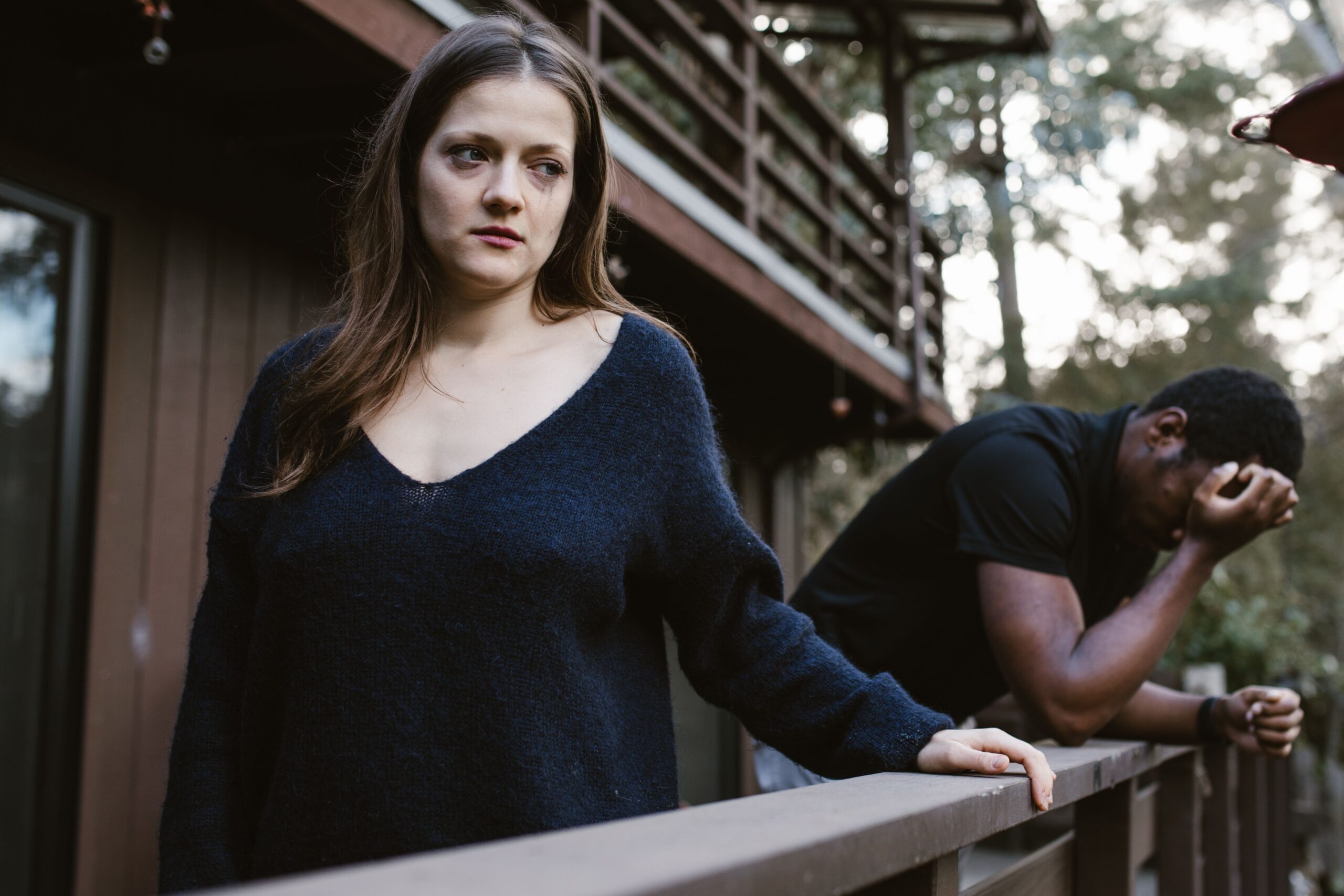
Finding out a major family secret can change the way someone sees their entire life. Old memories can suddenly feel different, and things that once seemed normal may start raising new questions.
A 19-year-old man discovered that the woman he always believed was his older sister was actually his biological mother. The truth helped him understand part of his family story, but it also brought a lot of emotional pain.
For his whole life, he thought their relationship was only between siblings. He never knew there was a deeper connection between them. What made the discovery even harder was the way she had treated him over the years.
He grew up feeling that she was distant, angry, and uninterested in having a close relationship with him. He believed it was because of family issues or personal disagreements. He never imagined there was a hidden reason behind her behavior.

Learning the truth brought many mixed emotions. It answered some questions, but it also created new ones about trust, family relationships, and the choices people make.
Now, he is trying to understand his feelings and decide what this discovery means for his future. He has to figure out how his relationship with his family may change and how he can move forward after learning something that changed his entire view of the past.
Family secrets can have a deep impact because they are connected to identity, childhood memories, and a person’s sense of belonging. When someone discovers an unexpected truth about their family, it can take time to process everything.
Moving forward often requires patience, honest conversations, and emotional support. While the past cannot be changed, people can still find ways to heal, build healthier relationships, and create a better future.
Story With Commentary
“I recently found out that the person I always thought was my sister is actually my biological mother. I had no idea this was the truth, and finding out has completely changed how I see my family and my childhood.”
Discovering a family secret this big can be incredibly confusing. Many people would struggle to understand how to feel when a person they knew in one role suddenly becomes someone very different.
“Growing up, she always hated me. I knew she was angry toward me, but I never understood why. I assumed maybe my birth changed things in the family, and I thought she blamed me because life became harder after I came along.”
Children often try to find explanations for the way adults treat them. When someone important acts cold or hurtful, it is common for a child to believe they somehow caused the problem, even when they did nothing wrong.
“She was not just distant. She would insult me, tell me I did not belong, and make me feel like I was unwanted. When I was around seven or eight, my parents finally decided they could not allow her to be around me anymore because of how badly she treated me.”
A child deserves to feel safe and accepted within their family. Hurtful treatment from a family member can leave emotional scars, especially when the child does not understand why they are being treated that way.
“Even after she was no longer part of my daily life, I still knew she was angry about me. I heard family members talk about how she felt, but nobody ever told me that she was actually my biological mother.”
Families sometimes keep painful information hidden because they believe they are protecting someone. However, secrets involving identity and family history can become emotionally complicated when the truth eventually comes out.
“When she found out that I knew the truth, I hoped maybe things would finally make sense. Instead, she told me she hated me, said I never deserved to exist, and made it clear she did not want a relationship with me or answer my questions.”
Being rejected by a biological parent can create a very painful emotional conflict. A person may naturally search for reasons and wonder what they did wrong, but someone else’s anger does not decide a person’s worth.
“I started wondering if something serious happened before I was born. Maybe something happened to her, or maybe there is a reason she feels this way. But nobody in my family knows the full story, and I am left with more questions than answers.”
Wanting answers after a painful discovery is completely understandable. Knowing the reason behind someone’s actions can feel like it would bring peace, but sometimes the truth is complicated and may take time to uncover.
“My parents, who are actually my biological grandparents, told me they always planned to explain everything. They were worried that learning my biological mother hated me would hurt me, especially when I was younger.”
Family decisions are not always simple. Sometimes people make choices based on protection and love, even if those choices create difficult conversations later.
“I am not angry with the people who raised me. They have always been my parents because they were the ones who cared for me and supported me. I still see my siblings as my siblings, even though our family story is different from what I believed.”
Family is about more than biology. While biological connections can be meaningful, the people who provide love, support, and stability often shape who we become.
“The hardest part is that I do not know how I am supposed to feel about her. I still call her my sister because calling her my mother feels strange and painful. I feel lost and unsure about what happens next.”
Situations like this can create complicated emotions. There is no single correct way to respond to a family revelation, and it is okay to take time before deciding what kind of relationship you want with someone.
Advice for Moving Forward
Learning something so painful about your family can change the way you see your past. It can bring up many emotions and make you question your identity. But the truth about your birth or someone else’s feelings toward you does not decide your worth as a person.
What matters most is the love, care, and support you have received throughout your life. The people who have been there for you, supported you, and treated you with kindness often play the biggest role in shaping your sense of family.
When dealing with complicated family situations, taking care of your emotional health is important. You do not need to rush into forgiving someone, rebuilding a relationship, or pretending everything is okay.
Setting healthy boundaries can help protect your peace. It is okay to take time and decide what kind of relationship feels right for you.
If you want to learn more about your family history, having honest and calm conversations with trusted relatives may help. There may still be parts of the story that you do not know. But you also have the right to choose when and how you want to have those conversations.
Healing from family hurt and broken trust takes time. A painful experience can become part of your story, but it does not have to control your future.
Building positive relationships, staying close to people who truly support you, and focusing on personal growth can help you move forward with confidence.