Why Does Romance Fade After Marriage?

Marriage can begin with plenty of romance.
There may be long conversations, thoughtful messages, surprise dates, little gifts, and the excitement of spending time together. Everything feels new, and even simple moments can feel special.
Then everyday life begins.
Work gets busy. Bills need to be paid. Meals need to be prepared. Household responsibilities pile up. Family commitments take time, and some days you’re simply too tired to do anything except relax.
At some point, many couples wonder:
“Why doesn’t our marriage feel as romantic as it used to?”
The answer isn’t always that love has disappeared.
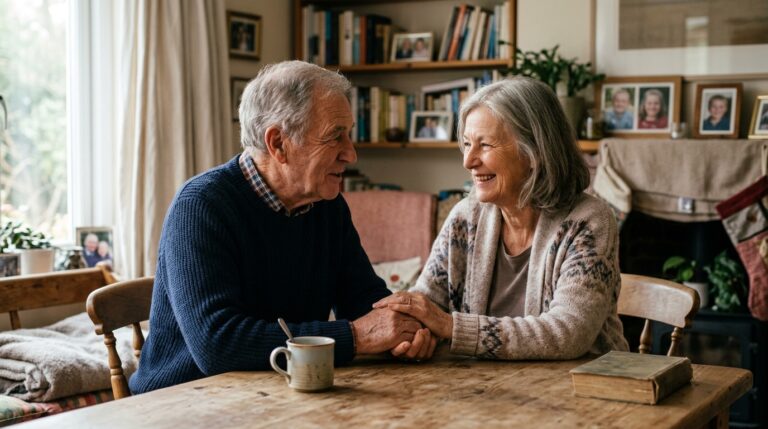
In many cases, romance changes because the relationship has changed. The excitement of a new relationship gradually becomes familiarity, comfort, and companionship.
That can be a beautiful thing.
But romance can also get neglected when couples stop making time for each other.
The Beginning of a Relationship Is Naturally Different
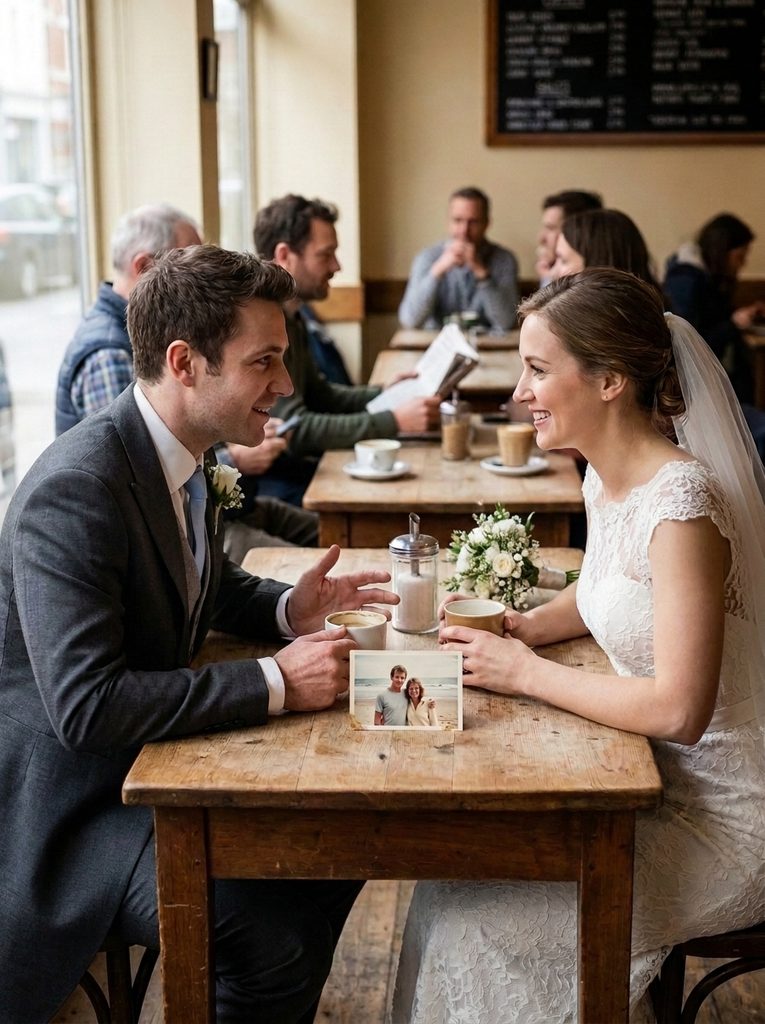
Early relationships often feel exciting because everything is new.
You’re still discovering your partner’s personality, interests, habits, and dreams.
You may spend hours talking because you want to know everything about them.
Even a simple coffee date can feel special.
After years together, that sense of discovery naturally becomes quieter.
You already know many of your partner’s habits.
You know what they like to eat, what makes them laugh, and how they usually react to stressful situations.
This familiarity doesn’t mean the relationship has become less meaningful.
It simply means that love has moved into a different stage.
The goal isn’t necessarily to recreate the beginning.
It’s to keep finding new ways to connect within the life you’re building together.
Everyday Responsibilities Can Push Romance Aside
One of the biggest reasons romance fades after marriage is surprisingly simple:
Life gets busy.
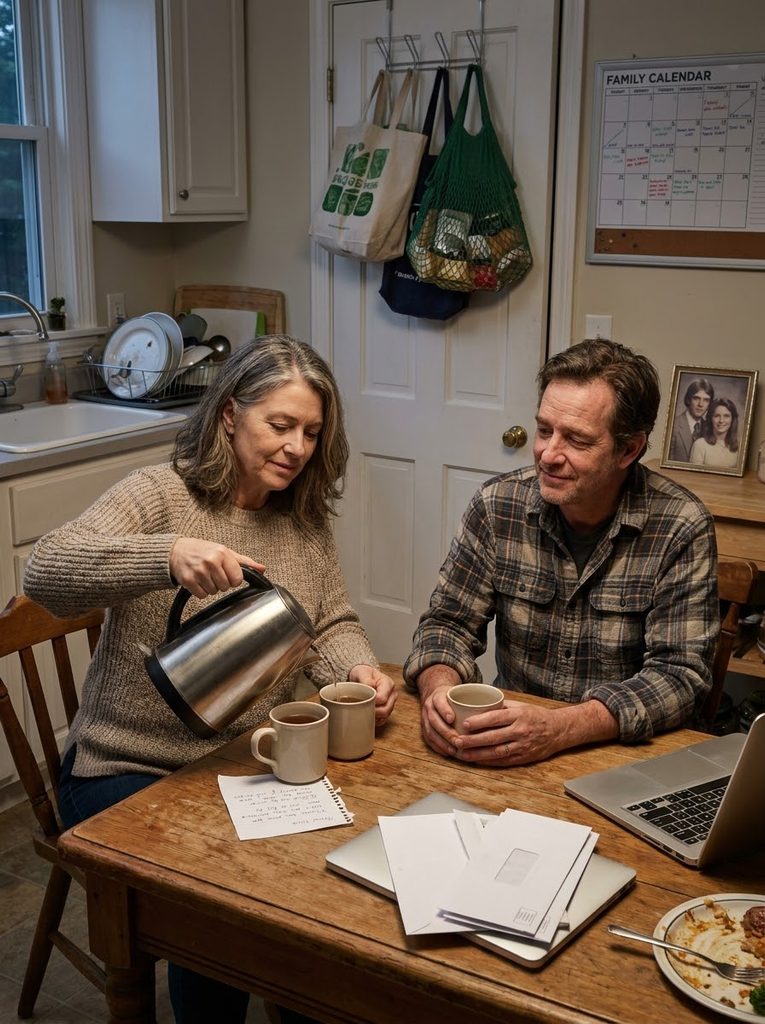
Couples may spend most of their conversations discussing practical matters.
“Did you pay the bill?”
“What time are we leaving?”
“Can you pick this up from the store?”
“What should we make for dinner?”
These conversations are necessary, but they don’t always create emotional closeness.
When nearly every interaction becomes about responsibilities, couples can start feeling like household teammates rather than romantic partners.
The solution isn’t to stop managing responsibilities.
It’s to make room for conversations that have nothing to do with them.
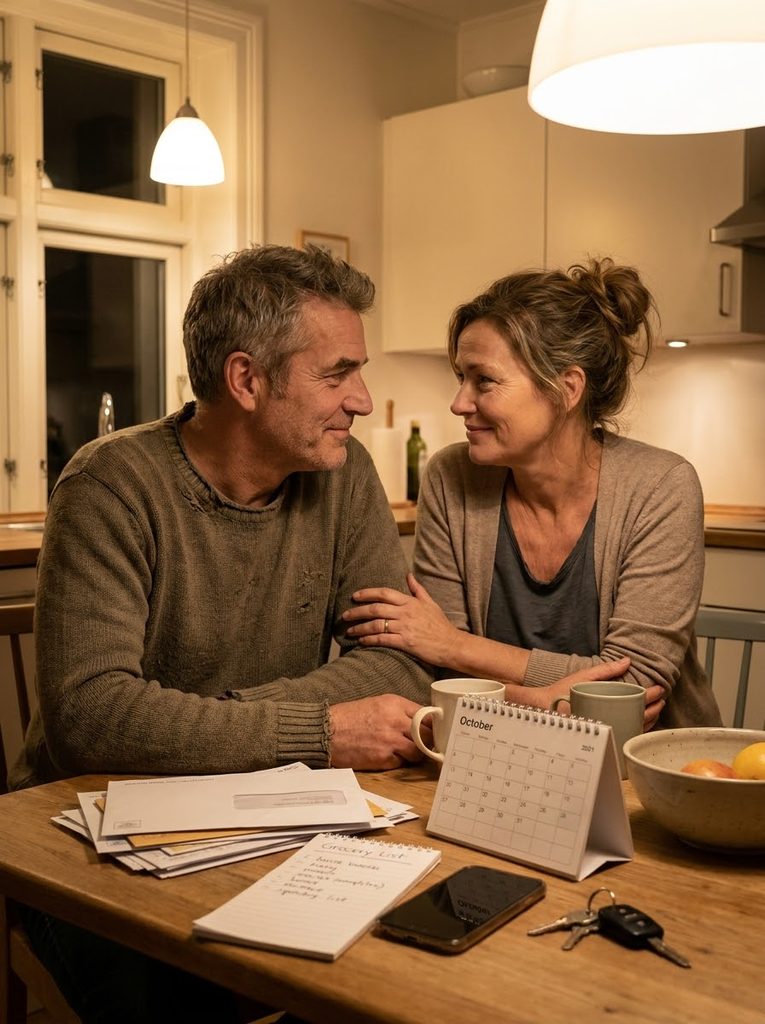
Stress Can Make Romance Feel Like Work
Stress affects almost every part of life, including relationships.
When someone is exhausted from work or worried about money, family issues, or other responsibilities, romance may not be the first thing on their mind.
After a long day, planning a special date may feel like another task.
This doesn’t automatically mean your partner has stopped caring.
Sometimes they simply don’t have much emotional energy left.
Understanding the difference between lack of love and temporary exhaustion can prevent unnecessary misunderstandings.
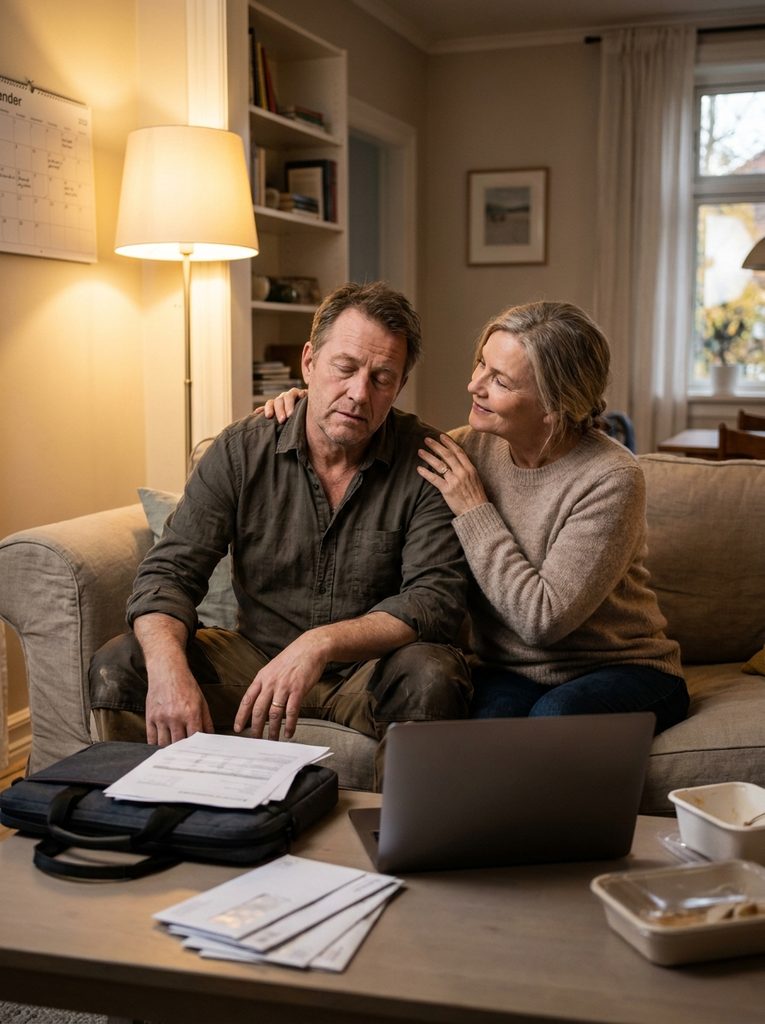
Marriage Can Become Too Comfortable
Comfort is one of the best parts of marriage.
You can relax around your partner.
You don’t always need to dress up.
You can sit quietly together.
You can be yourself without worrying about making an impression.
But comfort can sometimes turn into taking each other for granted.
Because your partner is always there, you may stop making the small efforts that once came naturally.
You may assume they already know you love them.
You may stop saying thank you.
You may stop planning time together.
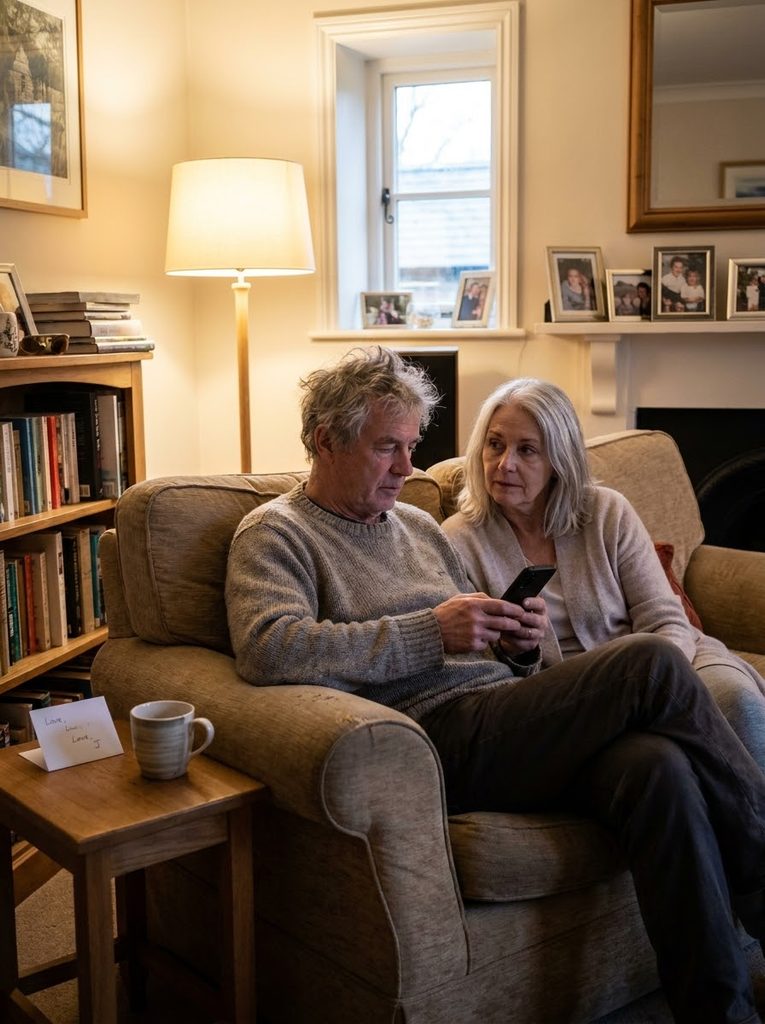
That’s when romance can slowly become less visible.
Couples Sometimes Stop Dating Each Other
Before marriage, couples usually make plans to spend time together.
They choose restaurants.
They plan activities.
They dress up for dates.
They look forward to seeing each other.
After marriage, it’s easy to think:
“We live together, so we’re already spending enough time together.”
But being in the same house isn’t necessarily quality time.
You can spend an entire evening together while both people are working, scrolling through phones, doing chores, or watching separate screens.
Romantic connection needs some intentional attention.
It doesn’t have to be a fancy date.
Even a walk, coffee together, or an uninterrupted conversation can help.

Communication Can Become Too Practical
Couples may talk every day without really connecting.
They discuss schedules, groceries, work, children, appointments, and household tasks.
But emotional conversations may become less frequent.
Try asking questions that go beyond daily responsibilities.
“How have you really been feeling lately?”
“Is there anything you’ve been worried about?”
“What are you looking forward to?”
“What would make you feel more supported?”
These conversations help couples stay connected as people, not just as partners managing a household.
Appreciation Can Slowly Disappear
When someone does something every day, it’s easy to stop noticing it.
Your partner cooks dinner.
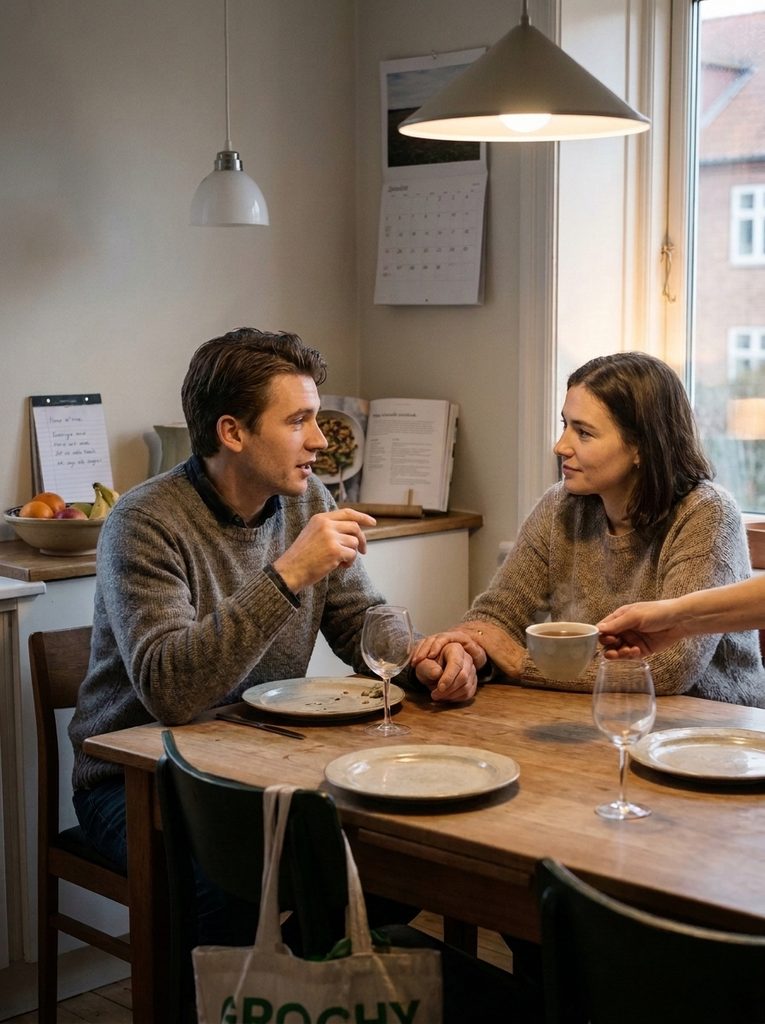
They help with errands.
They take care of responsibilities.
They support you during difficult moments.
After years together, these things can start feeling normal.
But appreciation still matters.
A simple “thank you” can remind your partner that their effort is noticed.
Instead of assuming your spouse knows you appreciate them, tell them.
Small recognition can make everyday life feel warmer.
Physical Affection May Change
Physical affection can also change after marriage.
Some couples become less affectionate because they’re tired, busy, stressed, or simply fall into a routine.
That doesn’t necessarily mean they no longer love each other.
But if one or both partners miss that closeness, it’s worth talking about.
Affection doesn’t have to mean a grand romantic gesture.
It can be:
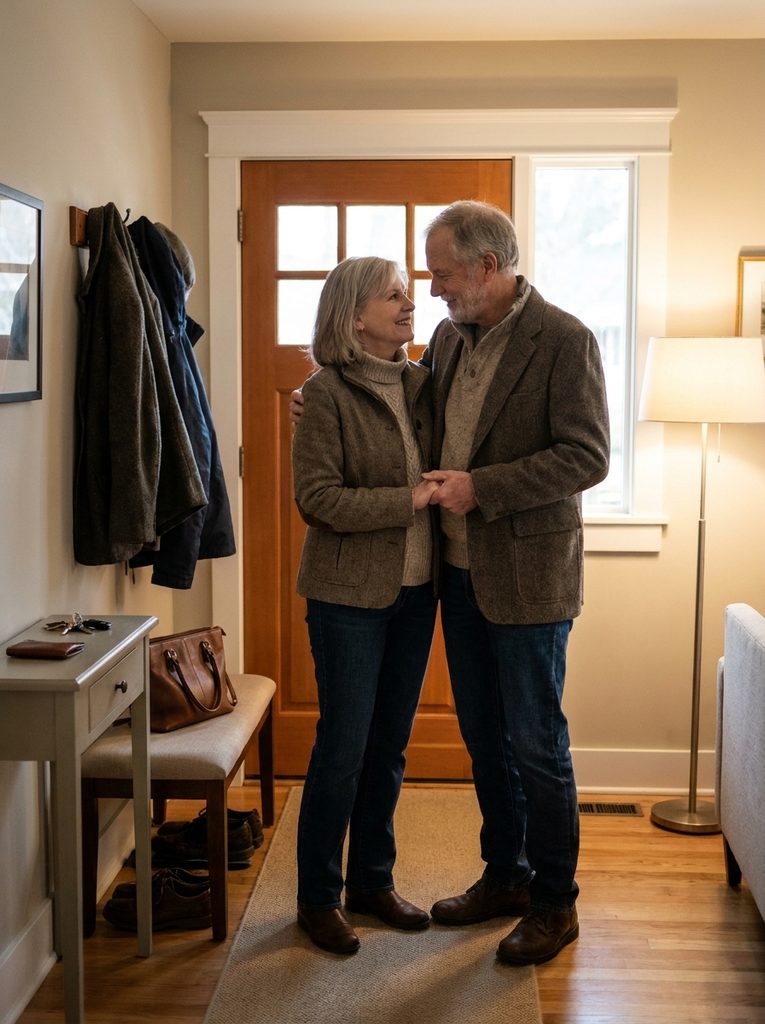
- A hug before leaving home
- Holding hands
- Sitting close together
- A kiss goodnight
- A gentle touch
- A few quiet minutes together
Small gestures can help couples feel connected without requiring extra planning.
Couples Can Forget to Have Fun
Marriage comes with responsibilities, but it should also include fun.
If every interaction is about work, bills, chores, and schedules, the relationship can start feeling too serious.
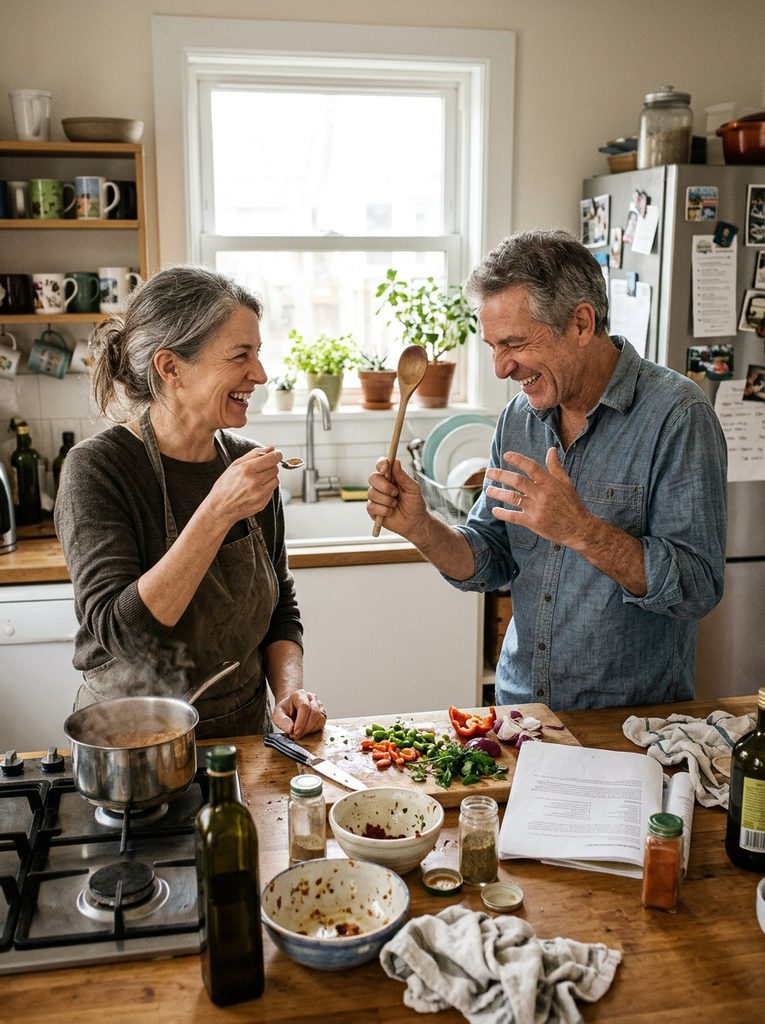
Try doing something simply because it’s enjoyable.
Watch a funny movie.
Cook a new meal together.
Take a spontaneous drive.
Visit a place you’ve never been.
Play a game.
Go out for dessert.
You don’t need a special reason.
Sometimes couples simply need to remember that they’re supposed to enjoy each other’s company.
Does Fading Romance Mean Love Is Gone?
Not necessarily.
A marriage can become less romantic without becoming less loving.
In fact, long-term love often becomes quieter.
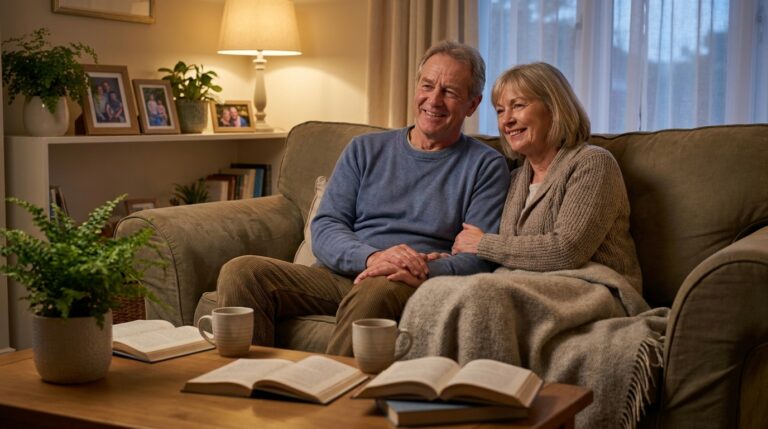
The excitement of a new relationship may turn into the comfort of knowing someone deeply.
You may no longer feel butterflies every time your partner walks into the room, but you may feel safe knowing they’ll be there when life becomes difficult.
That kind of love shouldn’t be underestimated.
However, there’s a difference between normal changes in romance and ongoing emotional disconnection.
If a couple feels lonely, resentful, or completely uninterested in reconnecting for a long time, that deserves attention.
How to Bring Romance Back Into Marriage
The good news is that romance doesn’t usually require a dramatic transformation.
Start small.
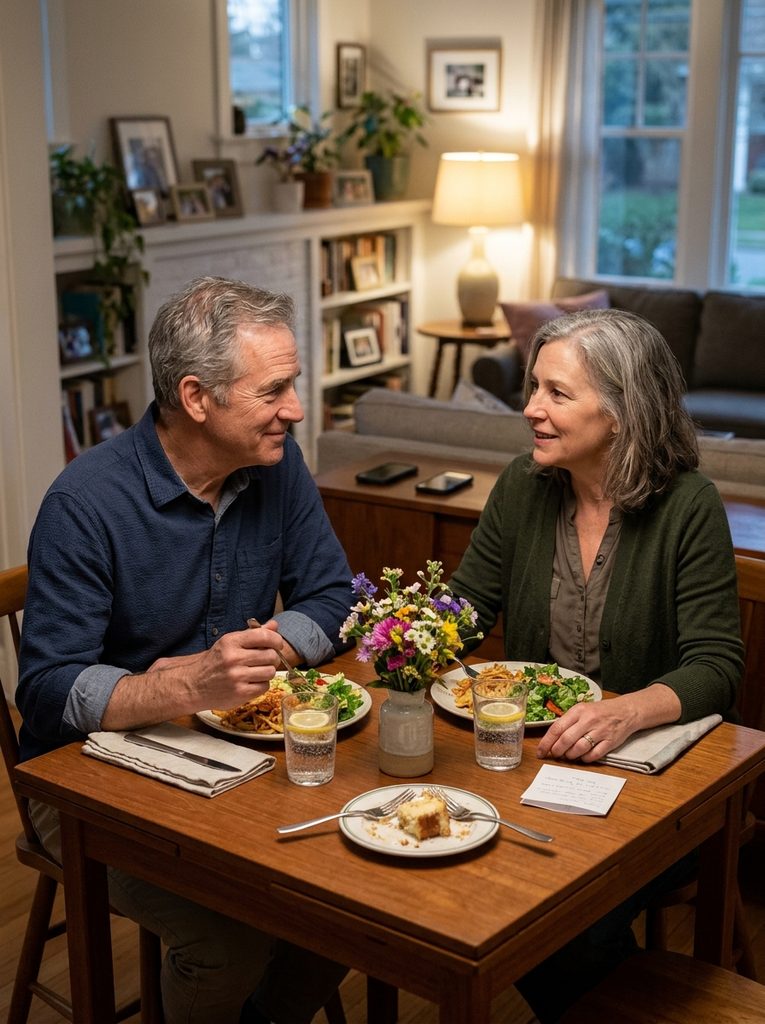
Plan Regular Time Together
Choose some time that belongs to both of you.
It could be a weekly date, an evening walk, or simply sitting together without distractions.
Put Your Phones Away
Even a short conversation can feel different when both people are fully present.
You don’t need to spend hours talking.
Quality matters more than quantity.
Bring Back Small Surprises
Leave a note.
Bring home a favorite snack.
Send a sweet message during the day.
Make your partner’s favorite meal.
Small surprises break up routine.
Try Something New Together
Novel experiences can make couples feel more engaged.
Try a new restaurant, recipe, activity, or nearby destination.
It doesn’t have to be expensive.
The point is to experience something together.
Talk About What You Miss
If you miss the romance you once had, don’t turn it into an accusation.
Instead of saying:
“You never do anything romantic anymore.”
Try:
“I miss the time we used to spend together. Can we find a way to bring some of that back?”
The second approach invites cooperation instead of defensiveness.
Don’t Wait for Romance to Happen Automatically
One important reality of marriage is that connection sometimes needs to be intentional.
When you’re dating, spending time together is often the main event.
After marriage, there are dozens of other priorities competing for attention.
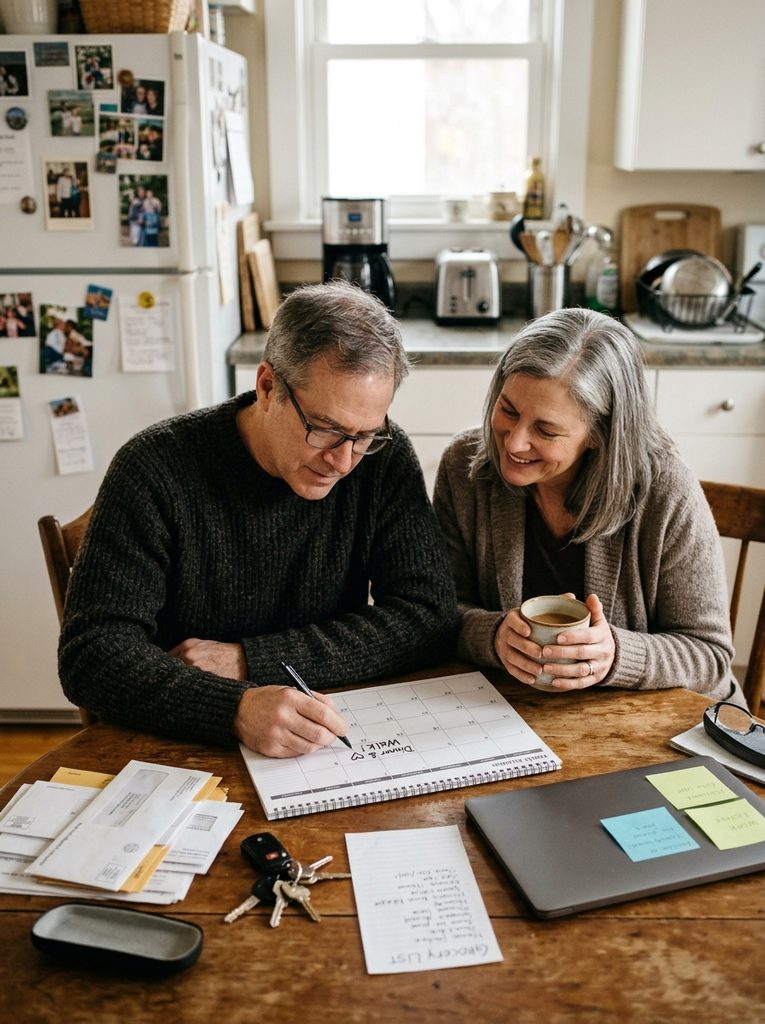
That’s why couples sometimes need to protect their relationship deliberately.
You schedule work.
You schedule appointments.
You make plans for family responsibilities.
It’s perfectly reasonable to make space for your marriage too.
That doesn’t make romance artificial.
It means you’re treating your relationship as something worth protecting.
Final Thoughts
So, why does romance fade after marriage?
Often, it isn’t because couples stop loving each other.
Romance can fade because life becomes busy, stress increases, familiarity grows, and couples stop making intentional time for one another.
The good news is that romance doesn’t have to disappear permanently.
You don’t need expensive gifts or elaborate vacations to bring it back.
Start with the small things.
Talk without distractions.
Show appreciation.
Laugh together.
Hold hands.
Plan a simple date.
Try something new.
Ask your partner how they’re really doing.
And most importantly, don’t assume that your relationship will take care of itself simply because you love each other.
Marriage needs care just like any other important part of life.

The romance may not look exactly like it did when you first met.
And that’s okay.
The goal isn’t to go backward.
It’s to create a new kind of romance — one that fits the life you’re living now and reminds both of you that you’re still partners, friends, and people who genuinely enjoy having each other beside them.