
How to Deal With a Husband Who Does Not Show Affection: Practical Ways to Reconnect
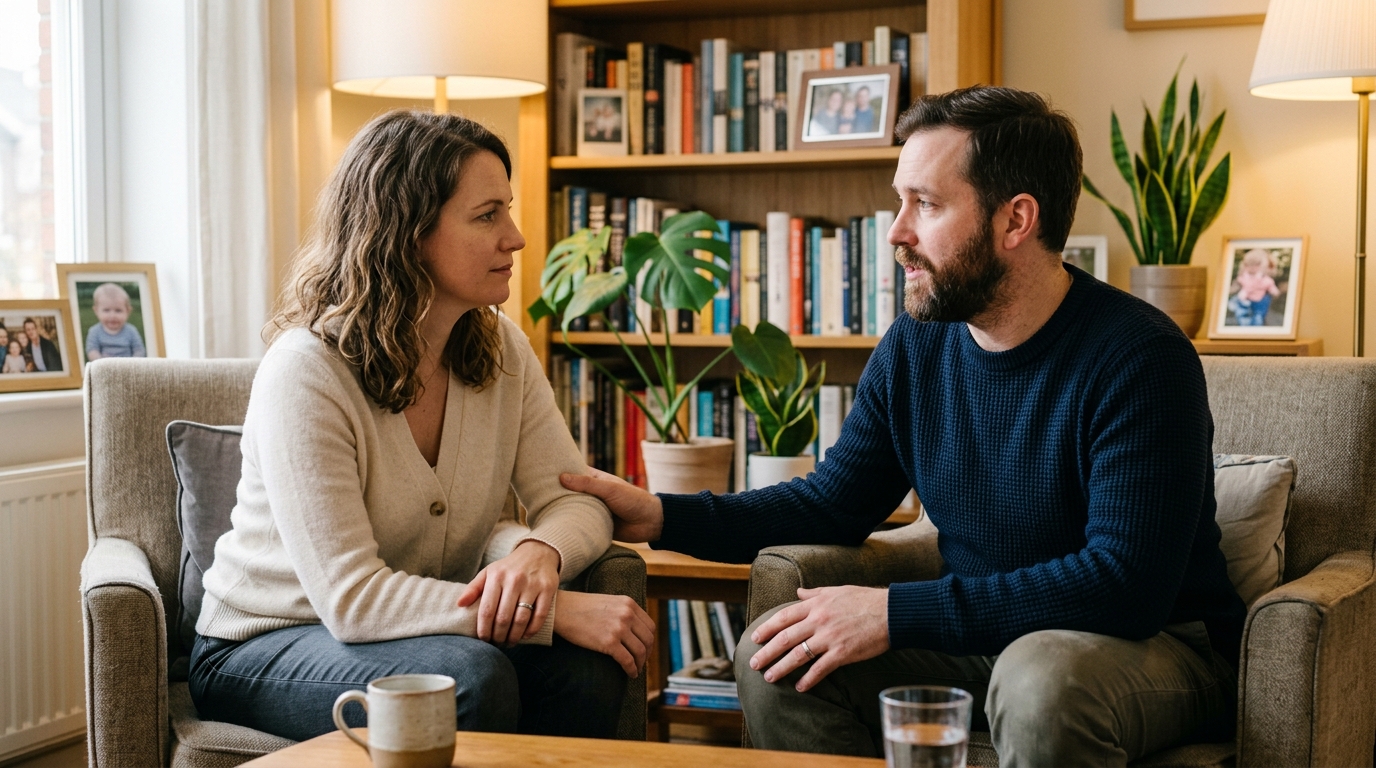
Feeling loved and appreciated is an important part of a healthy marriage. For many people, affection is one of the clearest ways their partner can show love. A hug after a long day, a sweet message, holding hands, compliments, or simply spending quality time together can create a strong emotional bond.
But when your husband does not show affection, it can leave you feeling lonely, confused, or even unwanted.
You may start asking yourself:
“Does he still love me?”
“Why does he not show his feelings?”
“Am I doing something wrong?”
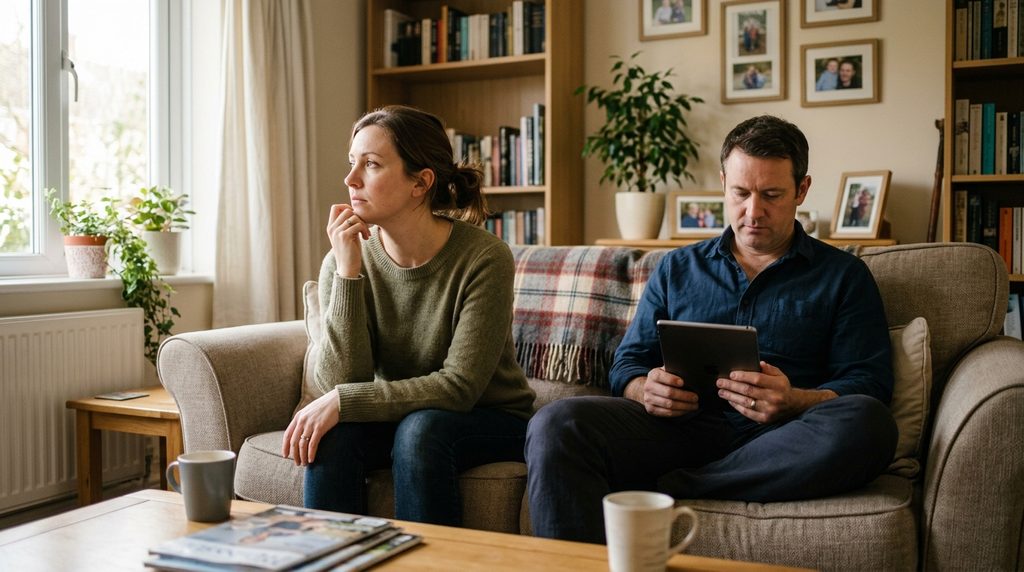
These questions are common when emotional closeness starts to feel one-sided. However, a lack of affection does not always mean a lack of love. There can be many reasons why someone struggles to express emotions, and understanding those reasons is the first step toward improving your relationship.
Understand Why Your Husband May Not Show Affection
Before assuming the worst, try to understand what may be behind his behavior.
Some people naturally express love differently. Your husband may not be someone who frequently gives compliments, hugs, or romantic gestures, but he may show love through actions.
For example, he may express care by:
- Working hard to support the family
- Helping you solve problems
- Taking responsibility at home
- Protecting and supporting you during difficult times
- Making sacrifices for the relationship
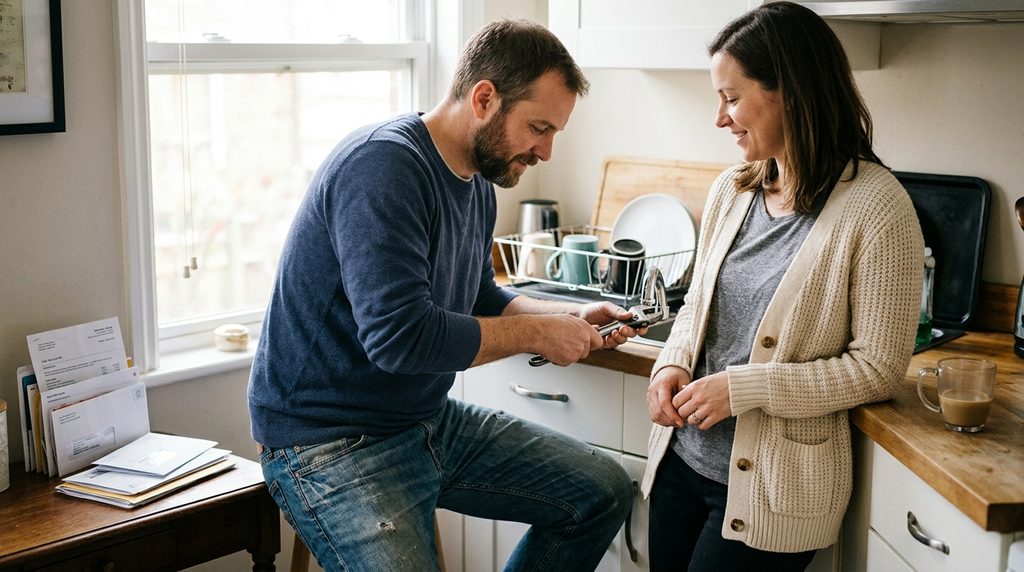
Many people learn how to express love based on their childhood, personality, and past experiences. Some grew up in families where affection was rarely shown, so expressing emotions may not come naturally to them.
This does not mean your need for affection is unreasonable. It simply means both partners may need to learn how to communicate love in a way the other person understands.
Talk About Your Feelings Instead of Blaming Him
One of the biggest mistakes couples make is avoiding conversations about emotional needs.
You may hope your husband notices that you feel distant, but he may not realize how much his lack of affection affects you.
Instead of saying:
“You never care about me.”
“You are not affectionate anymore.”
Try using a softer approach:
“I miss feeling close to you. Small signs of affection make me feel loved and connected.”
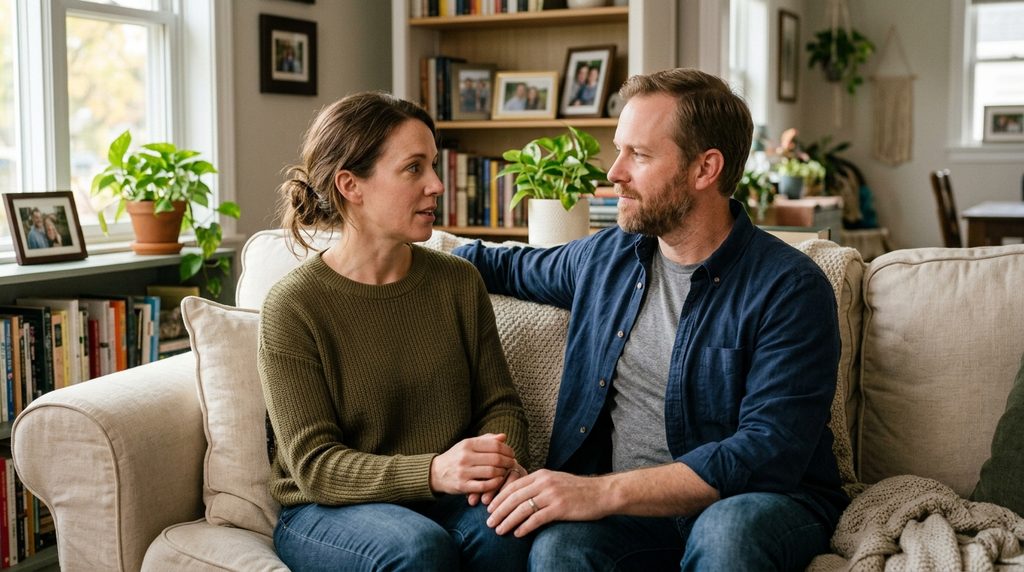
This type of communication reduces defensiveness and creates space for a meaningful conversation.
Choose a calm moment when both of you are relaxed. Avoid starting this discussion during an argument because emotions can make it harder to understand each other.
Learn How Your Husband Shows Love
Sometimes the affection you are looking for may already be present, but it may appear in a different form.
Ask yourself:
- Does he make an effort to provide for the family?
- Does he help you when you need support?
- Does he listen when you have problems?
- Does he try to make your life easier?
- Does he spend time with you in his own way?
These actions may be his way of showing love.
At the same time, your emotional needs matter too. A healthy marriage is not only about understanding your partner’s style of love; it is also about making sure both people feel valued.
Create More Emotional Connection in Daily Life
Affection often decreases when couples become caught up in responsibilities, work, parenting, or daily stress.
Sometimes rebuilding closeness starts with small changes.
Try creating more opportunities to reconnect:
Spend Quality Time Together
Even 15–20 minutes of uninterrupted conversation can make a difference. Put away distractions and focus on each other.
Show Appreciation
Everyone wants to feel noticed. Simple words like “I appreciate you” or “Thank you for doing that” can improve emotional connection.
Bring Back Small Romantic Habits
Small gestures often matter more than expensive gifts.
Examples include:
- Sending a caring message during the day
- Sitting together in the evening
- Holding hands while walking
- Sharing a meal without distractions
Emotional intimacy grows through consistent effort.
Do Not Ignore Your Own Needs
When your husband does not show affection, it can be easy to spend all your energy trying to change him.
But your own emotional health matters too.
Make sure you continue taking care of yourself by:
- Spending time with supportive friends and family
- Enjoying your hobbies
- Building confidence and self-worth
- Creating a fulfilling life outside the relationship
A loving marriage is important, but your happiness should not depend only on your partner’s behavior.
Consider Whether There Is a Bigger Relationship Problem
Sometimes a lack of affection is connected to deeper issues in the marriage.
Pay attention if you also notice:
- Frequent arguments
- Lack of communication
- Emotional distance
- Loss of interest in spending time together
- Unresolved resentment
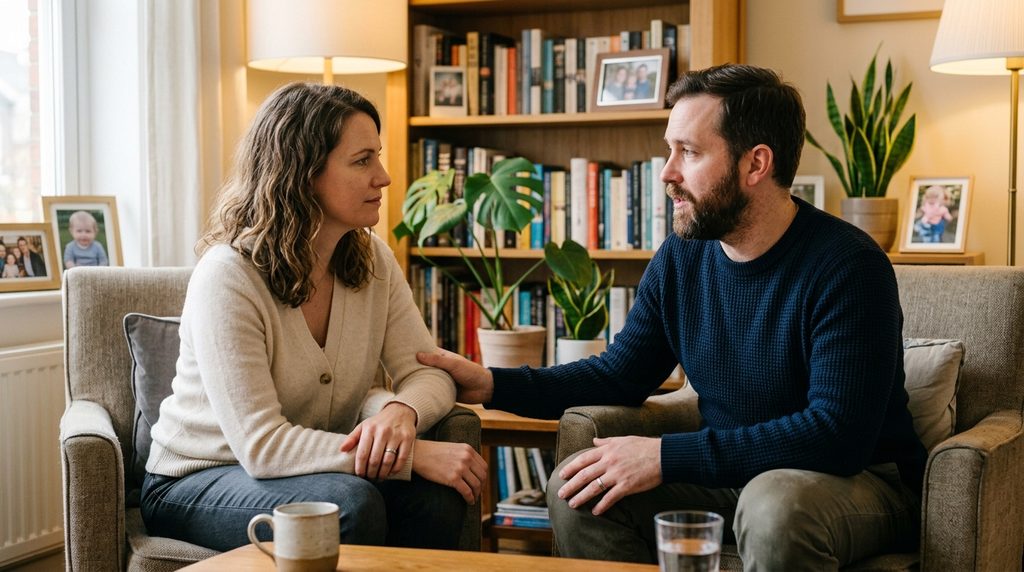
If these problems continue, having an honest conversation about the relationship may help.
Some couples choose marriage counseling or relationship therapy to improve communication and rebuild connection.
Be Patient While Looking for Change
Changing relationship patterns takes time.
If your husband is willing to listen and make an effort, small improvements can gradually create a stronger bond.
At the same time, your feelings should not be ignored. Wanting affection, attention, and emotional closeness is a normal part of many relationships.
The goal is not to force your husband to become someone completely different. The goal is to help both of you understand each other better and build a relationship where both partners feel loved.
Final Thoughts
Dealing with a husband who does not show affection can be emotionally difficult, but it does not automatically mean your marriage is failing.
Start by understanding his personality, communicating your needs clearly, and looking for ways to rebuild emotional connection. Small daily efforts, honest conversations, and mutual understanding can help bring more warmth and closeness into your relationship.
Every marriage goes through seasons of change. With patience, compassion, and commitment from both partners, emotional connection can grow stronger over time.